
Why Attachment Theory Still Matters in Early Years Practice
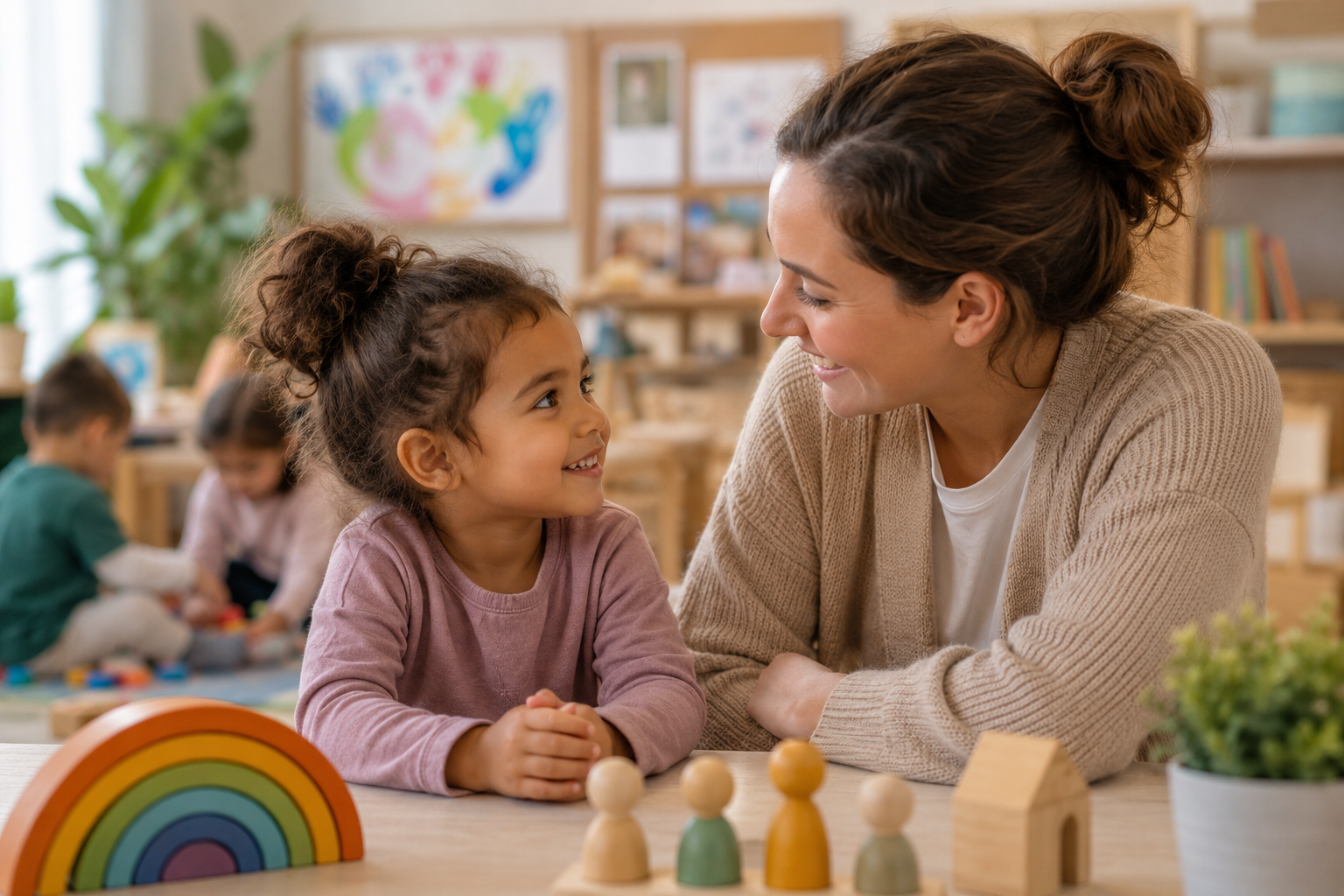
As early years practitioners, we know that children’s learning and development do not happen in isolation. Before children can confidently explore, communicate, problem-solve and build relationships, they need to feel safe, secure and understood.
This is where attachment theory remains as relevant today as it was when it was first developed.
Understanding attachment can help us create environments, interactions and relationships that support children’s emotional wellbeing and lay the foundations for lifelong learning.
What is Attachment Theory?
Attachment theory was first developed by psychologist John Bowlby in the 1950s. Bowlby believed that children are biologically programmed to seek close relationships with trusted adults who can provide safety, comfort and protection.
These early relationships help children develop an internal understanding of themselves, other people and the world around them.
When children experience consistent, responsive care, they are more likely to develop secure attachments. These secure relationships provide a foundation from which children can confidently explore, take risks and learn.
Bowlby described this as having a “secure base” – a trusted adult who provides reassurance and support when needed.
Mary Ainsworth’s Contribution
Building on Bowlby’s work, psychologist Mary Ainsworth conducted research that explored how children respond to separation and reunion with their primary caregiver.
Her research identified different attachment styles, including:
Secure Attachment
Children with secure attachments typically:
- Seek comfort from trusted adults when upset
- Feel reassured when comfort is provided
- Confidently explore their environment
- Build positive relationships with others
Insecure-Avoidant Attachment
Children may:
- Appear independent
- Avoid seeking comfort from adults
- Seem emotionally distant
- Find it difficult to trust others
Insecure-Ambivalent (Resistant) Attachment
Children may:
- Become highly distressed when separated
- Struggle to settle when comfort is offered
- Appear anxious or clingy
- Find change and transitions challenging
Disorganised Attachment
Children may:
- Show inconsistent or confusing behaviours
- Appear fearful or withdrawn
- Find relationships difficult to navigate
- Need additional support to develop trust and security
It is important to remember that attachment styles are not labels. They are ways of understanding children’s experiences and helping us respond sensitively to their needs.
Why Attachment Matters in Early Years Settings
Research consistently shows that secure attachments support children’s social, emotional and cognitive development.
Children who feel emotionally secure are more likely to:
- Engage in learning opportunities
- Develop positive relationships
- Build resilience
- Manage emotions effectively
- Develop confidence and independence
- Communicate their needs and ideas
In contrast, children who have experienced inconsistent or disrupted relationships may need additional support to feel safe enough to learn.
This does not mean that practitioners replace parents or carers. Instead, we become important secondary attachment figures who provide consistency, warmth and emotional security during the time children spend in our care.
The Role of the Key Person
The key person approach is rooted in attachment theory.
A strong key person:
- Gets to know the child as an individual
- Builds trusting relationships with families
- Responds sensitively to children’s needs
- Supports children through transitions
- Provides reassurance during challenging moments
When children know that there is a trusted adult who understands them, they are more likely to feel confident exploring their environment and engaging in learning.
What Does Attachment-Informed Practice Look Like?
Attachment-informed practice is not about introducing a new programme or initiative. It is about the way we interact with children every day.
Consider the following questions:
- Do children feel welcomed and valued when they arrive?
- Are adults emotionally available and responsive?
- Do practitioners notice and respond to children’s emotional cues?
- Are routines predictable and consistent?
- Do children have opportunities to build meaningful relationships with adults?
Small moments often have the greatest impact.
A warm greeting, a reassuring smile, a calm response to distress or simply taking time to listen can strengthen children’s sense of security and belonging.
Supporting Children Through Transitions
Transitions can be challenging for many children, particularly those who are feeling uncertain or anxious.
Attachment-informed approaches may include:
- Gradual settling-in sessions
- Visual timetables and predictable routines
- Comfort objects where appropriate
- Consistent staffing
- Close communication with families
By reducing uncertainty and providing reassurance, practitioners can help children feel more secure during periods of change.
Working in Partnership with Families
Families play the most significant role in children’s lives. Effective partnerships between home and setting help create consistency and security for children.
Practitioners can support this by:
- Building positive relationships with families
- Sharing information regularly
- Listening to parental insights and concerns
- Celebrating children’s achievements together
- Working collaboratively to support children’s wellbeing
When children see trusted adults working together, they often feel more secure and confident.
Final Thoughts
Attachment theory reminds us that relationships are at the heart of effective early years practice.
As practitioners, we have the privilege of being part of children’s early experiences and helping them develop the confidence, resilience and curiosity they need to thrive.
By placing relationships at the centre of our practice, we create environments where children feel secure enough to learn, grow and flourish.
Continuing to reflect on and develop our understanding of child development can help us strengthen this practice, whether through professional qualifications such as the Level 3 Diploma for the Early Years Workforce (Early Years Educator) or by exploring the latest ideas and research shared on our blog.